

minutes average completion time
An Introduction to Production Arts
Discover a Career Behind the Scenes. Production Arts is a dynamic and diverse field that encompasses the technical and creative roles essential to bringing performances, exhibitions, and events to life. From the grand stages of West End theatres to the intimate settings of art galleries, the world of Production Arts offers a multitude of opportunities for those with a passion for creativity, problem-solving, and teamwork.
A Glimpse into the Roles
Within the realm of Production Arts, you’ll find a wide array of roles, each playing a crucial part in the overall production:
- Technical Theatre
Experts in lighting, sound, and stage machinery, they create the atmosphere and ensure the smooth running of performances. - Set and Costume Design
Visionary artists who design and construct the visual world of a production, from elaborate stage sets to stunning costumes. - Stage Management
The organisational backbone of a production, co-ordinating rehearsals, managing schedules, and overseeing technical cues. - Production Management
Overseeing the entire production process, from budgeting and scheduling to hiring crew and managing logistics. - Event Production
Planning and executing events of all sizes, from corporate conferences to music festivals, handling everything from venue hire to catering. - Exhibition Design
Creating immersive and engaging exhibitions, combining art, technology, and storytelling to captivate audiences.

Where Your Career Could Take You
The venues for Production Arts professionals are as varied as the roles themselves:
- Theatres
From community playhouses to prestigious West End theatres, you could be part of a team bringing classic and contemporary plays to life. - Concert Halls and Arenas
Working on large-scale concerts, music festivals, and sporting events, you’ll be responsible for creating unforgettable experiences. - Television and Film Studios
Contributing to the magic of the screen, you could be involved in everything from set construction to lighting design. - Museums and Galleries
Designing and curating exhibitions that educate and inspire, you’ll be shaping the way people engage with art and culture. - Events Companies
Planning and executing corporate events, conferences, and product launches, you’ll be at the forefront of the events industry.
Whether you’re drawn to the technical challenges, the creative freedom, or the collaborative nature of Production Arts, this course will equip you with the skills and knowledge to pursue a fulfilling career in this exciting field.
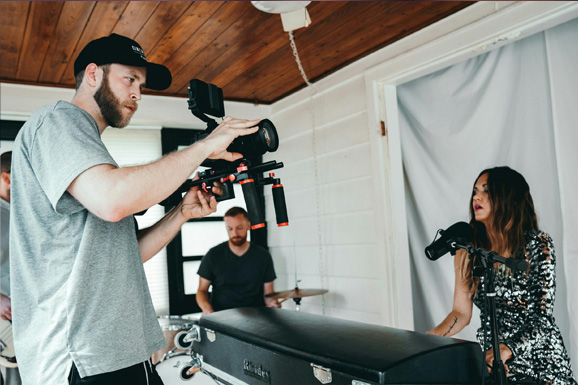
The venues for Production Arts professionals are as varied as the roles themselves…
Who’s Who in a Theatre Crew?
A theatre production is a collaborative effort involving many individuals with diverse roles. Here’s a breakdown of some key positions:
The Creative Team
- Producer
Oversees the entire production, securing funding, hiring staff, and managing the budget. - Director
Interprets the script and guides the actors, designers, and technical crew to bring the vision to life. - Playwright/Screenwriter
Writes the script or screenplay. - Scenic Designer
Creates the overall look of the stage, including sets, props, and furniture. - Costume Designer
Designs the clothing worn by the actors. - Lighting Designer
Designs the lighting for the stage, including color, intensity, and movement. - Sound Designer
Designs the sound effects and music for the production.
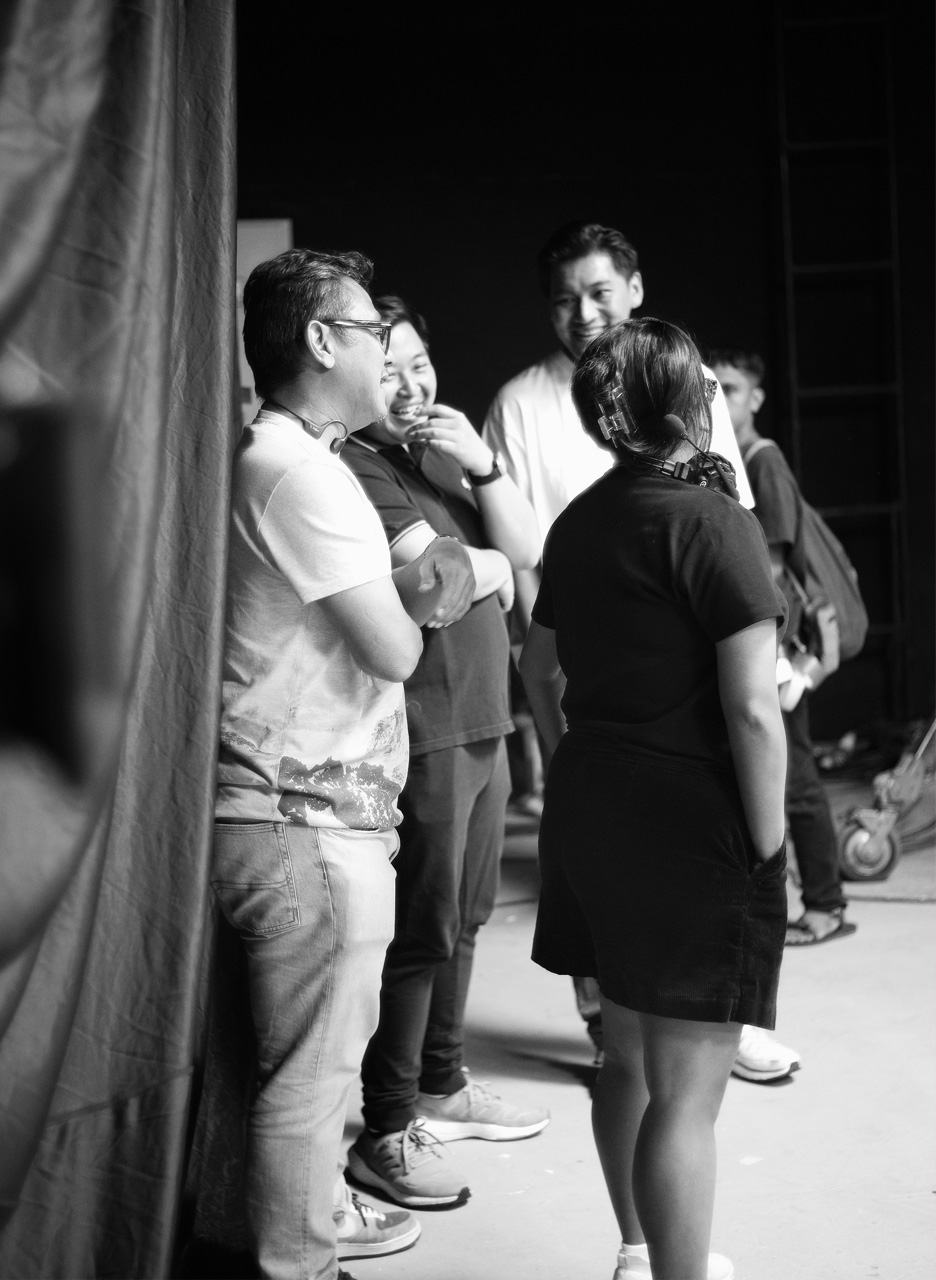
The Technical Team
- Stage Manager
Organises rehearsals, calls cues during performances, and manages the backstage crew. - Assistant Stage Manager
Assists the stage manager in various tasks, including running rehearsals and calling cues. - Technical Director
Oversees the technical aspects of the production, including set construction, lighting, sound, and rigging. - Stagehands
Build, paint, and move scenery, as well as handle props and set pieces. - Electricians
Operate the lighting and sound equipment. - Fly Operators
Operate the rigging system to fly scenery and props in and out of the stage. - Props Master
Sources, builds, and maintains props used in the production.
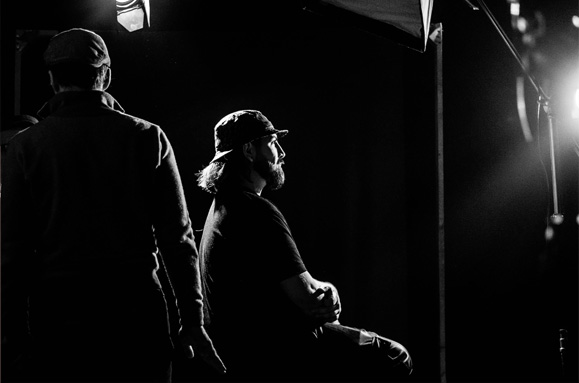
Remember, this is a general overview, and specific roles and responsibilities may vary depending on the production and the theatre company.
Different Theatre Spaces and Stages
The type of theatre space can significantly impact the performance style, audience experience, and production requirements.
Here’s an overview of common theatre spaces and their corresponding stage types:
Proscenium Stage
- Description:
A traditional stage with a clear separation between the audience and the performance space. The proscenium arch frames the stage, creating a “picture frame” effect. - Advantages:
Offers flexibility in scenic design and allows for large- scale productions. - Disadvantages:
Can create a distance between the actors and the audience.
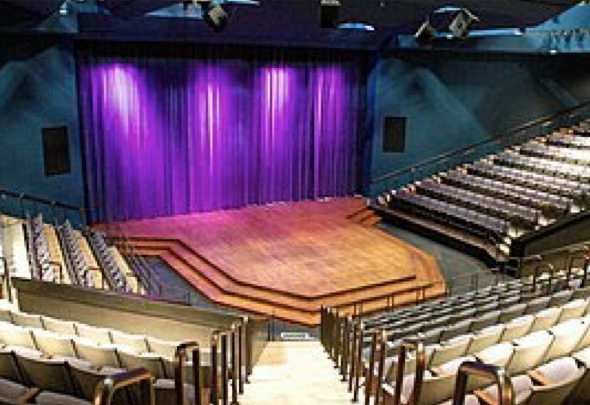
Thrust Stage
- Description:
A stage that extends into the audience on three sides, creating a more intimate connection. - Advantages:
Immersive experience for the audience, allows for multiple viewpoints. - Disadvantages:
Limits scenic design and stage movement.
Arena Stage
- Description:
A stage surrounded by the audience on all sides. - Advantages:
Highly immersive, audience feels directly involved in the action. - Disadvantages:
Challenging for scenic design and sound placement.
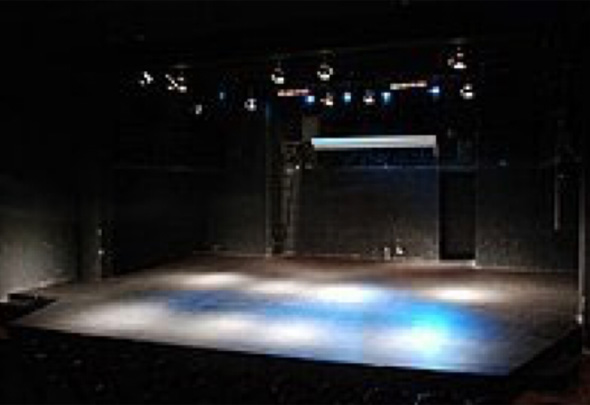
Black Box Theatre
- Description:
A flexible space that can be adapted to various configurations, often with black walls and ceilings. - Advantages:
Versatile, can be transformed to suit different performance styles. - Disadvantages:
Limited technical capabilities compared to traditional theatres.
Other Theatre Spaces
- Outdoor Theatre:
Performances take place in natural settings like parks or amphitheaters. - Site-Specific Theatre:
Performances occur in non-traditional spaces, such as abandoned buildings or historical sites. - Immersive Theatre:
Audiences are encouraged to interact with the performance environment, blurring the lines between performer and spectator.
The choice of theatre space and stage type depends on various factors, including the production’s style, budget, and desired audience experience. A well-chosen space can enhance the overall impact of a performance.
Proscenium Stage

Thrust Stage
Arena Stage

Black Box Theatre
Amphitheater

