

minutes average completion time
Digital Creative
In this micro course, we will introduce you to a career in digital creativity and what a career within the industry entails. We will also look at just a few of the exciting opportunities and careers that exist within this sector.
Industry case study: Digital Creativity in Action
How Minecraft Powers Creativity and Learning.
Minecraft is the world’s best-selling game of all time, with over 300 million copies sold globally., but it’s more than entertainment-it’s a platform for creativity, education, and innovation. Mojang Studios employs around 600 people worldwide, with offices in the UK, USA, Europe, China and Japan. Let’s explore the Digital Creativity behind Minecraft and the careers that make it possible.
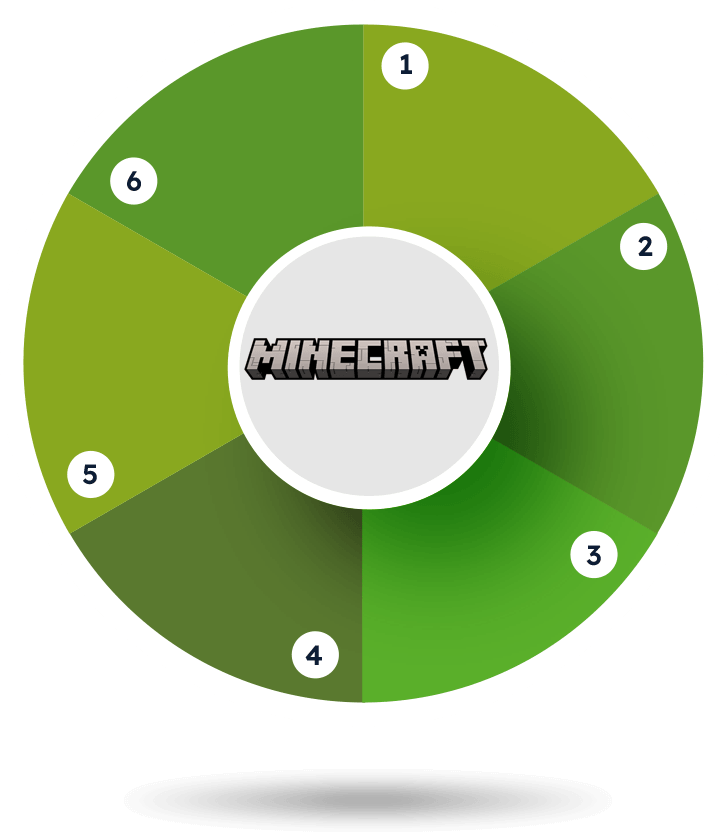
Developing a game like Minecraft follows a structured process. The infographic shows an overview of the typical stages and careers involved with each stage:
Why This Matters for You
Minecraft shows that digital careers are diverse and creative. Whether you love coding, art, animation or making videos, there’s a path for you. The gaming industry is worth billions of pounds, and skills like programming, design, and digital storytelling are in high demand. Carry on with this course to find out more about digital creativity and the careers that bring games, apps, and immersive experiences to life-careers that could shape your future in technology.
Click on the segments below to discover how Minecraft embraced digital technology.
Did you know?
Players have collectively spent more than 50 billion hours building, exploring, and surviving in Minecraft worlds.
Step 1: Concept and Planning
Every game starts with an idea and a plan. This stage lays the foundation for everything else.
- Decide what the game is about, how it works, and what players should do.
- Think about who will play the game and what devices it will be on (PC, console, mobile).
- Create initial designs and a schedule.
Careers:
- Game Designer – Comes up with gameplay ideas and rules.
- Project Manager – Keeps the team on track.
Skills required:
Creativity, communication, planning, understanding what players enjoy.
Step 2: Prototyping
Before making the full game, a simple test version is built to try out ideas.
- Make a basic version to check game mechanics.
- Test things like controls, crafting, and levels.
- Get feedback from the team.
Careers:
- Gameplay Programmer – Codes the first version of game mechanics.
- UI/UX Designer – Designs basic menus and interfaces.
Skills required:
Coding in Java, problem-solving, testing ideas quickly.
Step 3: Development
Now the game really comes to life. Graphics, sound, and systems are added.
- Build features like worlds, crafting, and multiplayer.
- Create textures, characters, and animations.
- Add sound effects and music.
Careers:
- Software Engineer – Codes systems for lots of players.
- 3D / Pixel Artist – Designs characters and objects.
- Sound Designer – Creates music and sound effects.
Skills required:
Coding (Java, C++), digital art, 3D modelling, audio editing.
Step 4: Testing
Testing makes sure the game works properly. Bugs and issues are fixed.
- Run quality checks to find problems.
- Release beta versions for player feedback.
- Improve performance on different devices.
Careers:
- Quality Assurance Tester – Finds and reports bugs.
- Community Manager – Collects player feedback.
Skills required:
Attention to detail, problem-solving, communication.
Step 5: Launch
The game is released and shared with players around the world. Marketing helps attract attention.
- Publish on platforms like PC, Xbox, PlayStation, and mobile.
- Promote on social media and run campaigns.
- Work with content creators and influencers.
Careers:
- Marketing Specialist – Plans campaigns.
- Content Creator – Makes tutorials and videos.
- Social Media Manager – Engages the community.
Skills required:
Digital marketing, creating content, analysing results.
Step 6: Post-Launch Updates
Even after launch, games keep evolving with new features and improvements.
- Release updates and expansions.
- Fix bugs and respond to player feedback.
- Use player data to improve the game.
Careers:
- Game Developer – Adds new content and features.
- Data Analyst – Looks at how players behave and what they enjoy.
Skills required:
Ongoing development, creativity, data analysis.
What is Digital Creativity
As we found out in the Minecraft case study, Digital Creativity combines technology and imagination to produce engaging content, experiences, and solutions.
It’s used in everything from designing websites to creating video games and digital art.
- Digital creativity involves using software and tools to create content.
- It includes graphic design, animation, video editing, and more.
- Creative professionals work in marketing, entertainment, education, and tech.
- Digital creativity helps brands connect with audiences.
- It’s used in apps, websites, games, and social media.
- Creative thinking is key to solving problems with technology.
- Digital creatives often work in teams with developers and marketers.
- Tools like Adobe Creative Suite and Canva are popular in the field.
- Creativity is also important in user experience (UX) design.



Meet Layla
App Developer
What they do:
Layla designs and builds mobile apps for smartphones and tablets — from fitness trackers to study tools. She writes code, tests new features, and improves apps based on user feedback.
What they like most about the job:
Layla enjoys seeing her ideas come to life on screen and knowing her apps help people every day.
How they got into their job:
Layla completed a Level 3 T Level in Digital Production, Design and Development at college, then studied for a Level 5 Foundation Degree in Software Engineering while working part-time as a junior coder.

Layla studied for a Level 5 Foundation Degree in Software Engineering while working part-time as a junior coder.
Did you know?
Digital creativity is one of the fastest-growing sectors in the UK’s tech industry.
Web, App & Game Development
Web, Game, and App Development are all about creating digital experiences, but each focuses on something different. Web development builds websites and online platforms that people visit on browsers.
Game development creates interactive games for consoles, computers, or mobile devices, combining storytelling, coding, and graphics. App development designs mobile or desktop applications that help users perform tasks, learn, or connect with others. All three require coding, problem-solving, and creativity – but each applies these skills in unique ways to build digital experiences people can see, use, and enjoy.
Careers in Web, App and Game Development:
- Web developer – Builds websites and online platforms people use every day.
- Game developer – Creates interactive video games for computers, consoles, or mobile devices.
- App developer – Designs apps that help users do tasks, learn, or connect with others.
- UI/UX designer – Makes websites, apps, and games easy and enjoyable to use.
Skills you’ll need:
- Technical skills: Writing code (HTML, CSS, JavaScript, Python, C#), designing games or websites, finding and fixing problems (debugging), and testing your work.
- Soft skills: Being creative, solving problems, working well in a team, and thinking logically.

Meet Ben
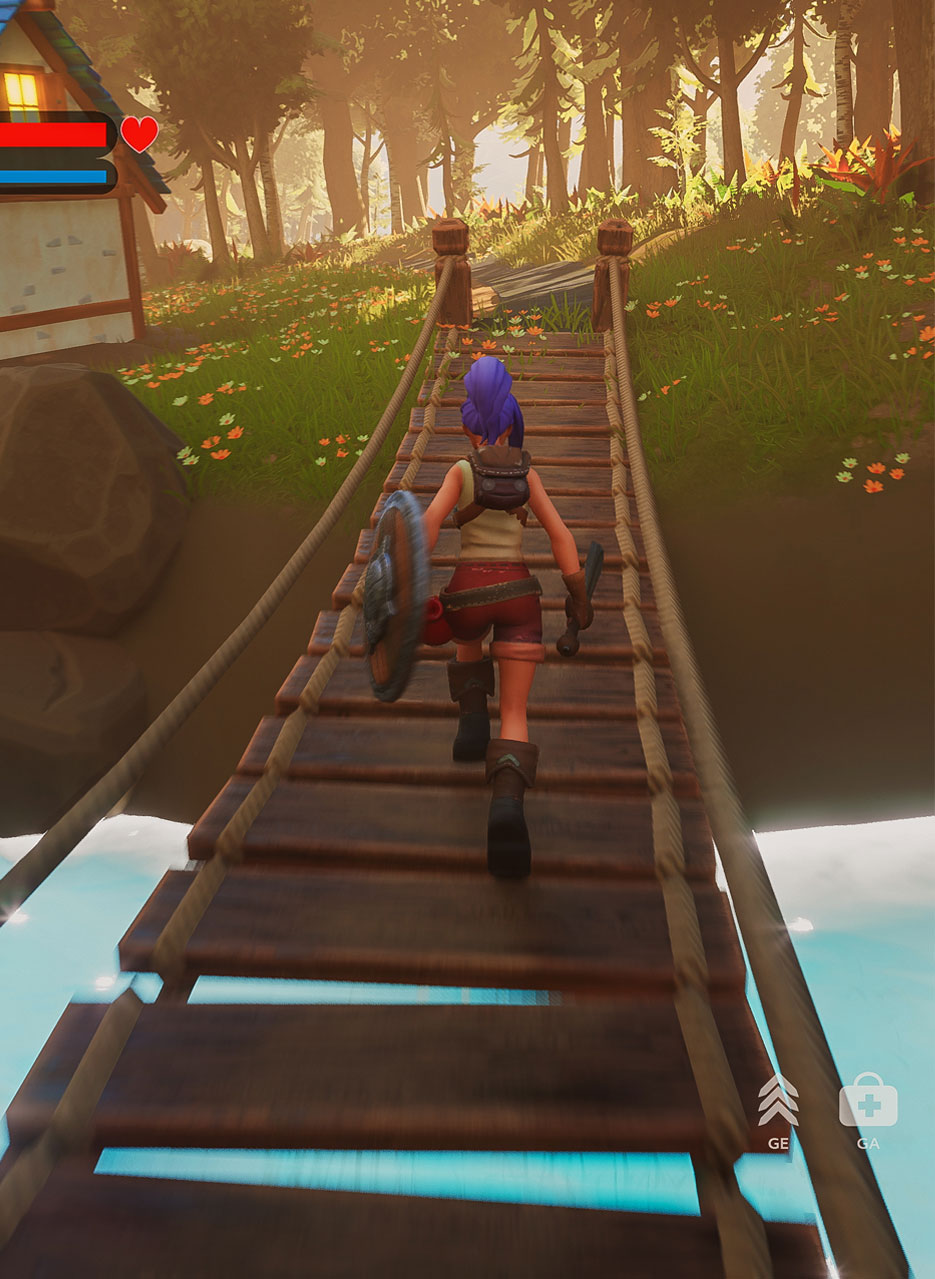
Games Developer
What they do:
Ben designs and codes video games, creating the rules, levels, and characters that make them fun to play. He works closely with artists and sound designers to bring everything together.
What they like most about the job:
Ben loves using creativity and coding skills to make something people enjoy. He gets a buzz from seeing players around the world play his games.
How they got into their job:
Ben completed a BTEC in Games Design at college, then studied Computer Games Programming and Design at university. He started his career on a graduate scheme at a UK games studio as a junior developer.
Ben completed a BTEC in Games Design at college, then studied Computer Games Programming and Design at university.
Did you know?
Over 2 million new apps are submitted to the Apple App Store and Google Play Store combined each year. On average, that’s around 5,000–6,000 new apps per day globally.
Extended Reality (XR)
XR is the term for immersive technologies that blend the real and virtual worlds. This includes Virtual Reality (VR), where you enter a fully digital world; Augmented Reality (AR), which adds digital objects to the real world; and Mixed Reality (MR), which combines elements of both.
XR is used in gaming, education, healthcare, design, and even virtual meetings, letting people experience things in ways that weren’t possible before.
Careers in XR:
- XR Developer – Builds VR, AR, or MR experiences using coding and 3D tools.
- 3D Artist – Creates the virtual objects, characters, and environments used in XR experiences.
- XR Designer – Plans how users interact with virtual or augmented worlds to make them fun and easy to use.
- XR Tester – Checks that VR/AR experiences work properly and are safe for users.
Skills you’ll need:
- Technical skills: Writing code (C#, Python, or Unity), creating 3D models, designing easy-to-use XR experiences, and using software like Unity or Unreal Engine.
- Soft skills: Being creative, solving problems, understanding space and shapes (spatial awareness), paying attention to detail, and working well in a team.

Meet Zara
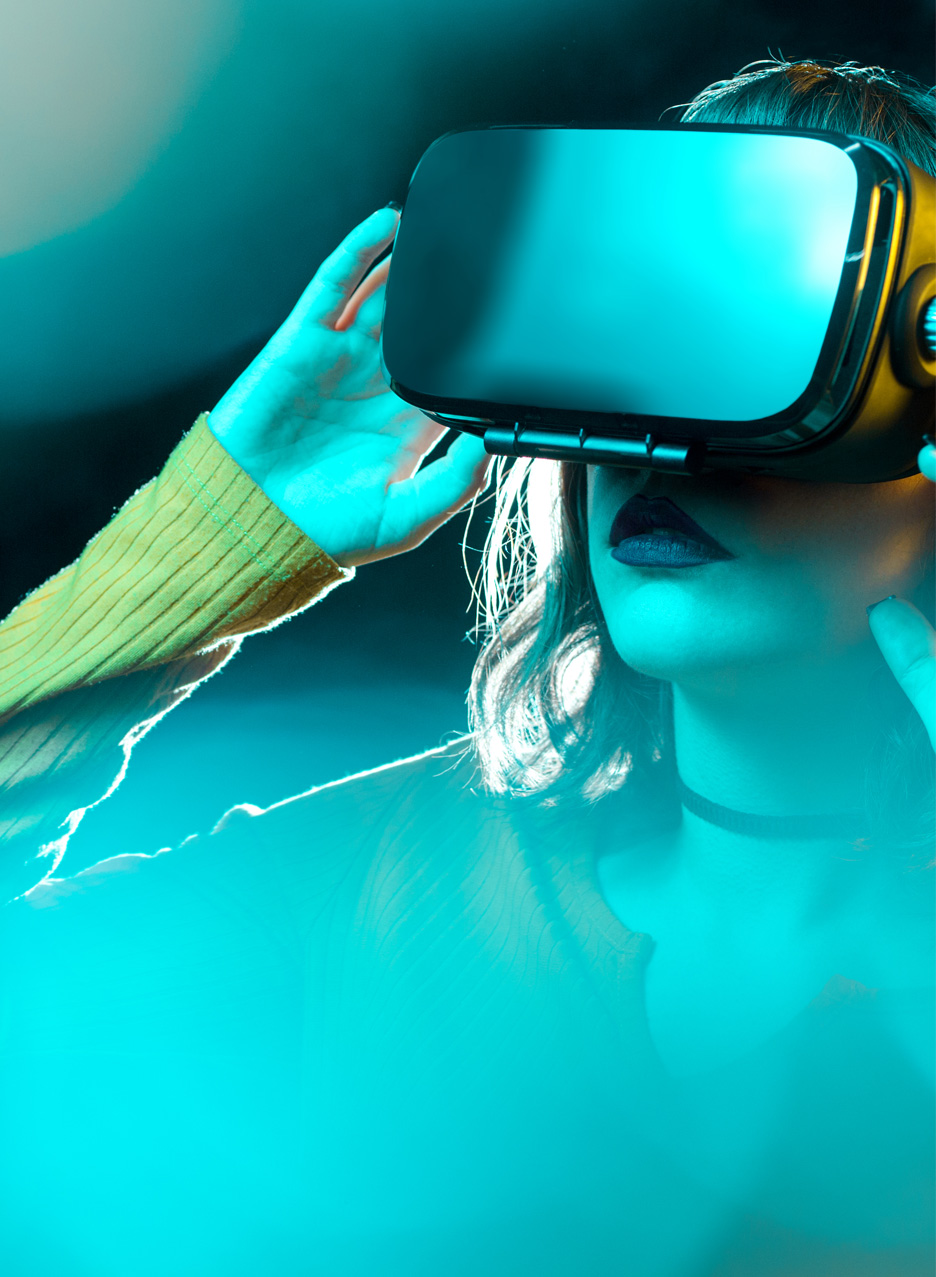
XR Designer
What they do:
Zara creates immersive digital experiences using virtual reality (VR) and augmented reality (AR). She designs apps and simulations for training, education, and entertainment.
What they like most about the job:
Zara loves experimenting with new technology and creating experiences that make people say “wow.” Every project feels futuristic and fun.
How they got into their job:
Zara studied Level 3 Creative Media Production at college and then completed a degree in computer science before Master’s Degree in extended reality design. She now works at a tech company developing VR training tools.
Zara studied Level 3 Creative Media Production at college and then completed a degree in computer science before Master’s Degree in extended reality design.
Did you know?
XR is not just for gaming— VR is used to treat phobias, Post Traumatic Stress Disorder (PTSD), and chronic pain, and surgeons use VR to practice operations. Engineers use AR to visualise building designs before they’re built.
Industry case study: Digital Creative in Action
Sunseeker’s Digital Creative Journey.
Sunseeker builds some of the world’s most iconic luxury yachts. To stay ahead in design and engineering, they’ve embraced digital creative tools that transform how their boats are imagined, built, and experienced.
The Impact
By using digital creative tools, Sunseeker has:
- Doubled their production rate from 2 to 4 models per year
- Improved design quality and speed
- Enhanced customer satisfaction through interactive experiences
Click on the segments below to discover how Sunseeker embraced digital technology.
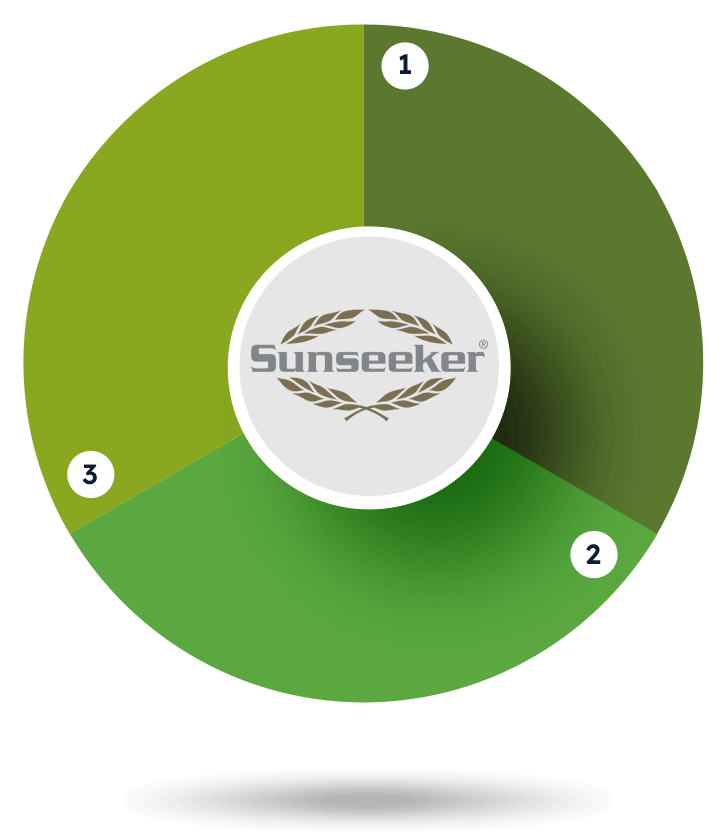
Step 1: From 2D Drawing to 3D Model
Designers start with traditional 2D sketches of a new yacht. These are then imported into NX software, a powerful 3D design tool. Using this, Sunseeker creates detailed 3D models of the yacht, including every part—from the hull to the interior furniture
Careers:
- Yacht Designer – Plans the yacht’s look and layout.
- 3D Modeler / CAD Designer – Turns sketches into detailed digital models.
Skills required:
Creativity, attention to detail, technical design skills, knowledge of 3D software, spatial awareness.
Step 2: Testing the Model
Once the 3D model is ready, engineers use simulation tools to test how the yacht will perform in real-world conditions. They check for:
- Structural strength
- Weight distribution
- Hydrodynamics (how it moves through water)
- Space efficiency below deck
This helps them spot problems early and improve the design before building anything.
Careers:
- Marine Engineer – Ensures the yacht will perform safely and efficiently.
- Simulation Analyst – Runs and interprets tests on digital models.
Skills required:
Problem-solving, technical analysis, critical thinking, understanding of physics and engineering principles.
Step 3: Creating a VR Experience
Sunseeker also builds Virtual Reality (VR) experiences based on the 3D models. These immersive simulations allow:
- Boat builders to explore the yacht before it’s built, improving accuracy and planning.
- Clients to walk through their future yacht, customise features, and make choices confidently.
VR helps everyone involved visualise the final product and feel more connected to the design process.
Careers:
- VR Developer – Creates immersive virtual experiences.
- Client Experience Designer – Ensures users can interact with the yacht in the XR simulation.
Skills required:
Creativity, UX/UI understanding, coding for XR, spatial awareness, attention to detail.
Graphic Design
Graphic Design is all around us. It’s the art of using images, colours, and text to communicate ideas, tell stories, and catch people’s attention.
From the logos on your clothes to posters on your wall, websites you visit, and social media posts you scroll through, graphic design shapes how we see and understand the world. Designers combine creativity and strategy to make visuals that are both appealing and effective.
Careers in Graphic Design:
- Graphic designer – Creates visuals like posters, logos, and social media graphics to communicate ideas.
- UI/UX designer – Designs websites and apps so they are easy and enjoyable to use.
- Branding specialist – Develops a consistent look, feel, and message for a company or product.
- Digital illustrator – Draws and designs artwork digitally for books, games, websites, or advertising.
Skills you’ll need:
- Technical skills: Using design software like Canva, Figma, or Adobe Express; picking the right fonts, colours, and layouts; creating visuals for posters, websites, or social media.
- Soft skills: Being creative, paying attention to details, solving visual problems, and telling stories through images and graphics.


Meet Ruby
Graphic Designer
What they do:
Ruby creates visual designs for posters, adverts, social media, and packaging. She uses software like Photoshop and Illustrator to make ideas stand out.
What they like most about the job:
Ruby enjoys using creativity to tell stories through design. She loves seeing her work used by real brands and campaigns.
How they got into their job:
Ruby took a Level 3 Diploma in Art and Design at college, then completed a Graphic Design degree. She built a portfolio during freelance work before joining a design agency.
Ruby built a portfolio during freelance work before joining a design agency.
Did you know?
Studies show people judge a design in just 50 milliseconds—faster than a blink! Colour, fonts, and layout all influence how appealing or trustworthy a brand looks.
Digital Marketing
Digital Marketing is everywhere online. It’s the way brands, creators, and businesses connect with people using the internet.
From the ads on your social media feed to emails in your inbox, videos on YouTube, or posts by influencers, digital marketing combines creativity, technology, and strategy to reach the right audience at the right time. It’s about telling stories, promoting products or ideas, and building connections with people worldwide.
Careers in Digital Marketing:
- Digital marketer – Plans and runs online campaigns to promote products, services, or brands.
- Content creator – Makes videos, images, or posts to engage audiences online.
- SEO specialist – Helps websites appear higher in search results so more people can find them.
- Social media manager – Manages social media accounts to grow followers and connect with audiences.
Skills you’ll need:
- Technical skills: Creating content for social media, websites, or ads; using SEO to make content easy to find; analysing data to see what works; targeting the right audience; building and managing a brand online
- Soft skills: Being creative, communicating clearly, solving problems, and adapting to new trends and tools.
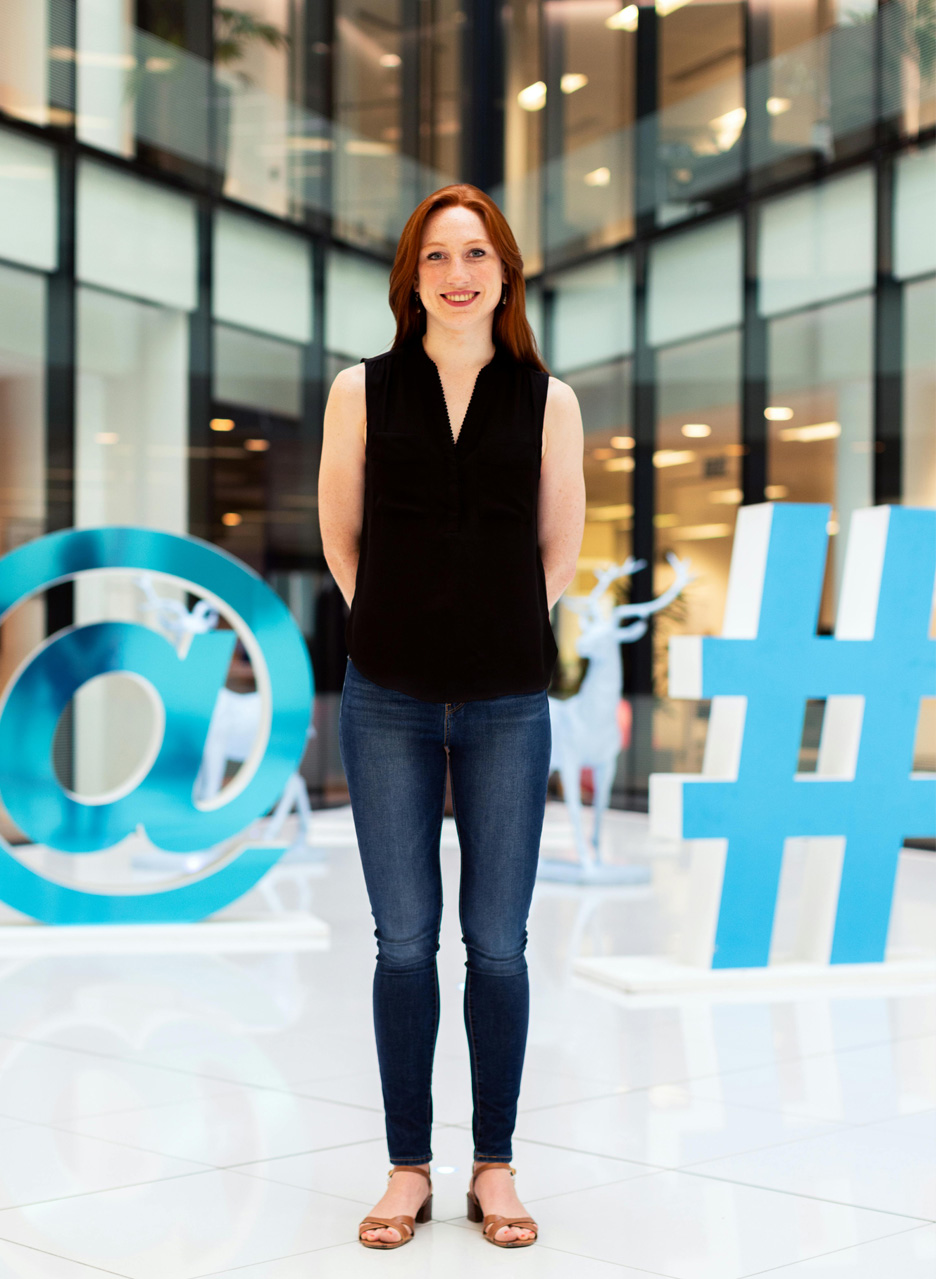

Meet Lewis
Digital Marketer
What they do:
Lewis promotes brands and products online using social media, websites, and email campaigns. He analyses what works best to reach customers and boost sales.
What they like most about the job:
Lewis likes that digital marketing is always changing — there’s always something new to learn. He enjoys combining creativity with data.
How they got into their job:
Lewis started as a Marketing Assistant through a Level 3 Digital Marketing apprenticeship and gained experience running campaigns for local businesses. He later progressed to a Level 4 Marketing Executive qualification while working for a local marketing agency.
Lewis progressed to a Level 4 Marketing Executive qualification while working for a local marketing agency.
Activity:
Name That Logo!
Creating a strong recognisable brand is key to effective digital marketing. Can you recognise and identify the logos of these 12 major digital and technology companies.
Instructions:
Look carefully at each logo. Drag and drop the name of the company it belongs to in the space provided.


























Did you know?
Over 5 billion people use the internet—more than 60% of the world’s population! Digital marketing can reach audiences globally in an instant, making it one of the fastest-growing and most exciting careers today.
3D Modelling, CGI & Animation
3D Modelling, CGI, and Animation are all about bringing digital worlds to life, but each plays a different role.
3D modelling is the art of creating digital objects with height, width, and depth—like a building, a car, or a character. CGI (Computer-Generated Imagery) transforms those models into realistic scenes, creatures, or effects, often for films, games, and virtual worlds. Animation then brings the models to life, making them move, interact, or tell a story. Together, these skills let creators design everything from blockbuster movies and video games to futuristic buildings, virtual reality environments, and 3D-printed objects.
It’s a mix of creativity, technology, and problem-solving, opening up many exciting digital careers.
Careers in 3D modelling, CGI & Animation:
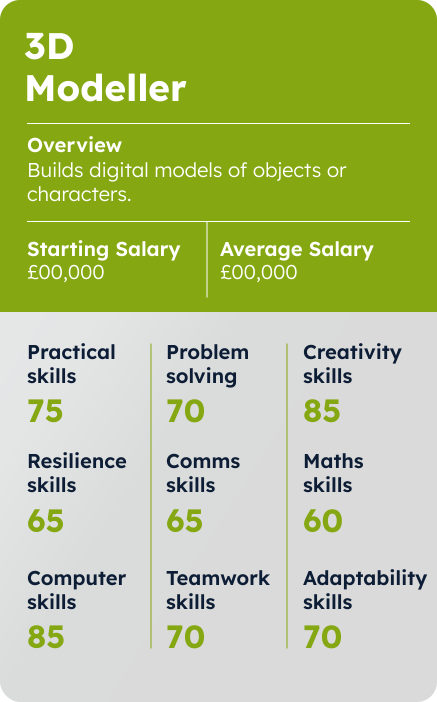
- 3D modeller– Creates digital objects and environments with height, width, and depth.
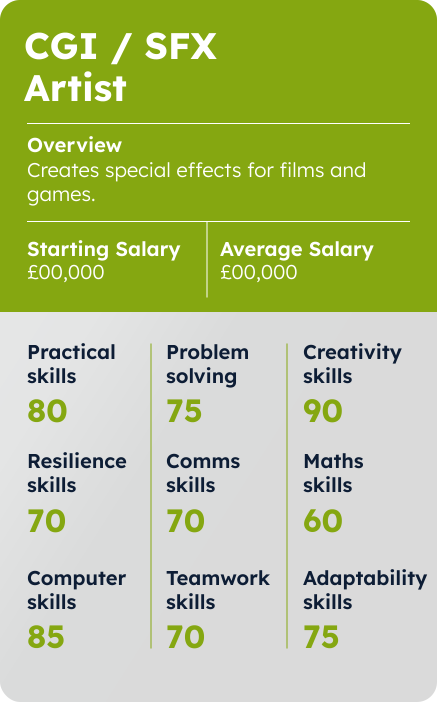
- CGI/SFX artist – Uses 3D models to create realistic scenes, special effects, or creatures for films and games.
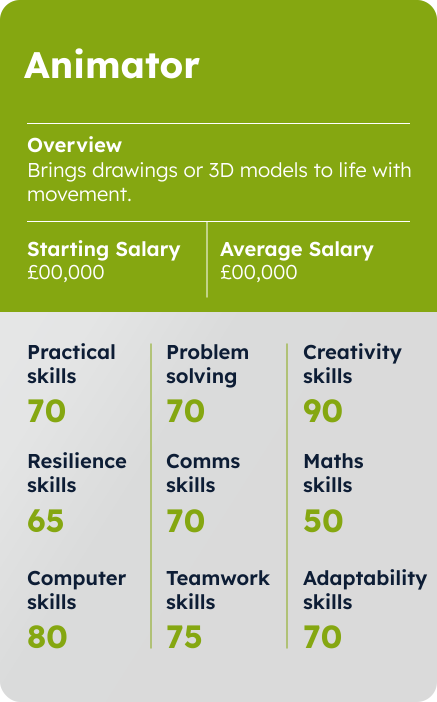
- Animator – Brings 3D models to life by making them move and interact.
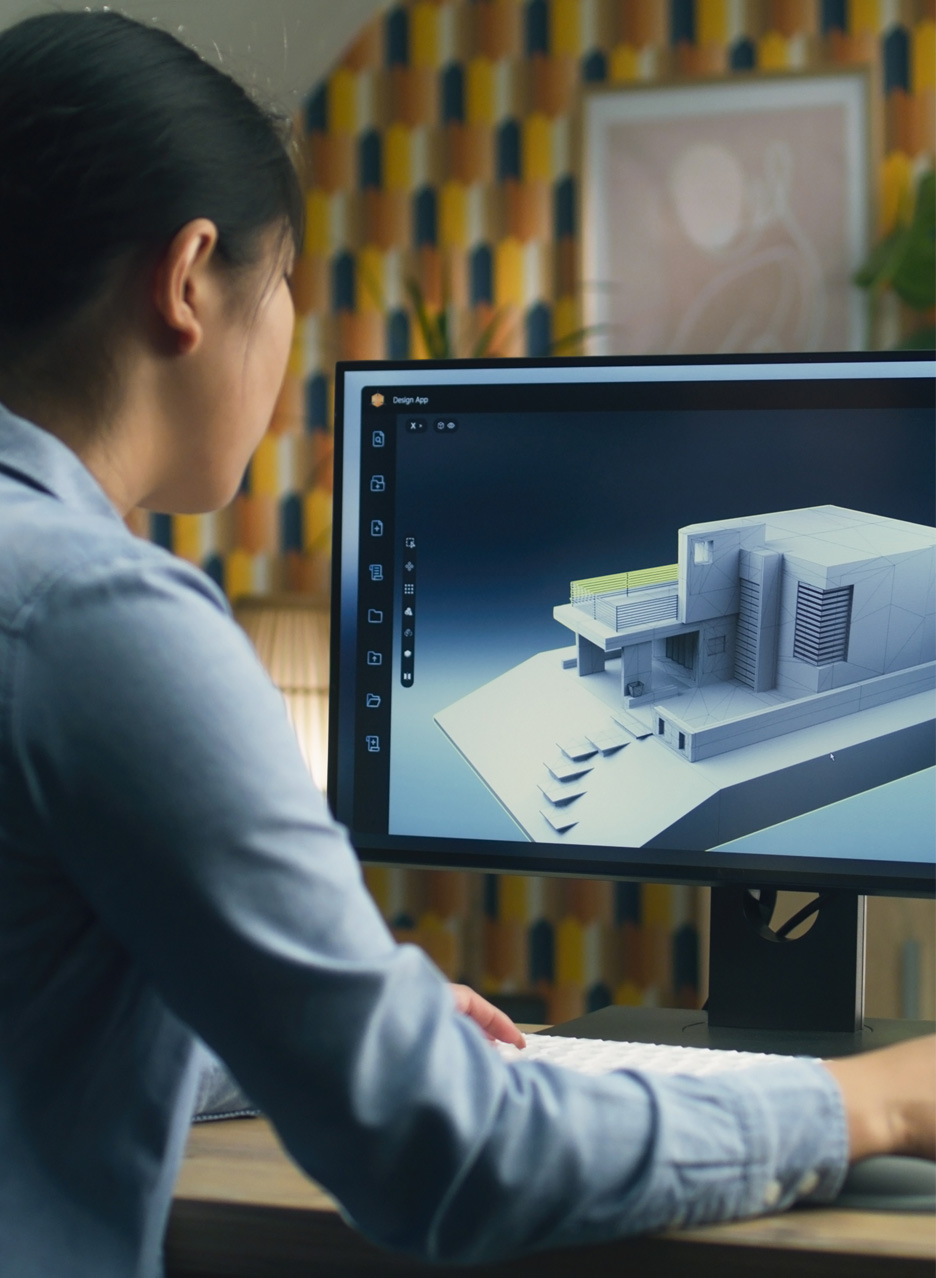
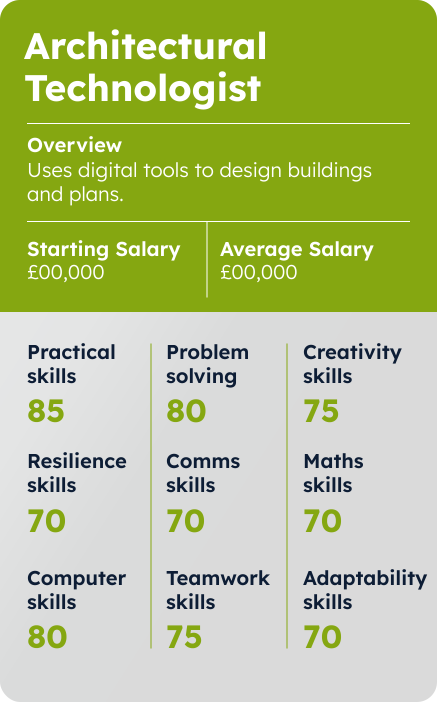
- Architectural technologist – Designs buildings and spaces digitally, often using 3D models to plan and test structures.
Skills you’ll need:
- Technical skills: Using 3D software like Blender, Maya, Cinema 4D, SketchUp, or Revit; creating animations and special effects (CGI); preparing models for 3D printing.
- Soft skills: Being creative, solving problems, paying attention to details, and working well in a team.

Meet Lauren
3D Modeller
What they do:
Lauren creates 3D digital models for animations. She uses specialist software to make lifelike characters, buildings, and objects.
What they like most about the job:
Lauren loves seeing her creations come to life on screen. She enjoys detailed, creative work and being part of a visual storytelling team.
How they got into their job:
Lauren studied a Level 3 Games Development course at college, then earned a degree in CGI and Visual Effects. Her final project helped her land her first studio job.
Lauren studied a Level 3 Games Development course at college, then earned a degree in CGI and Visual Effects.
Did you know?
3D models aren’t just for screens—architects and engineers use them as digital twins to test buildings and designs before they’re built.
Digital Creative Careers
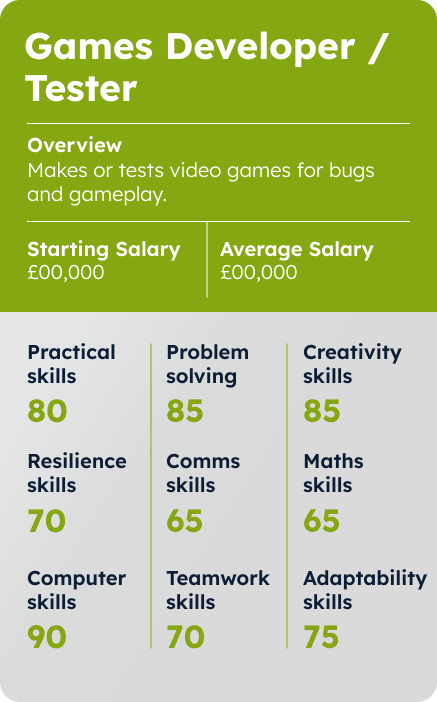
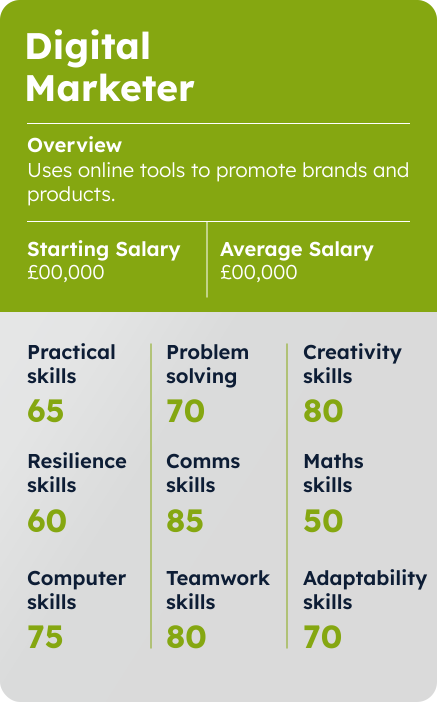
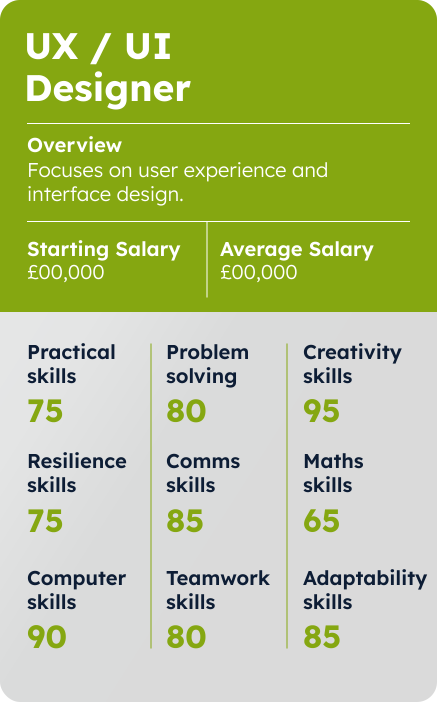
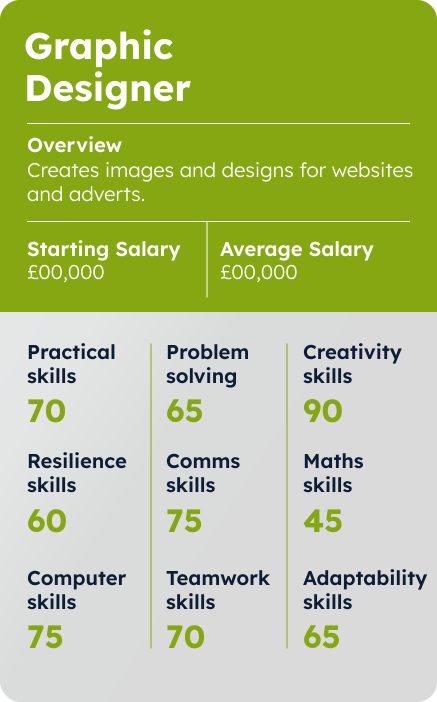
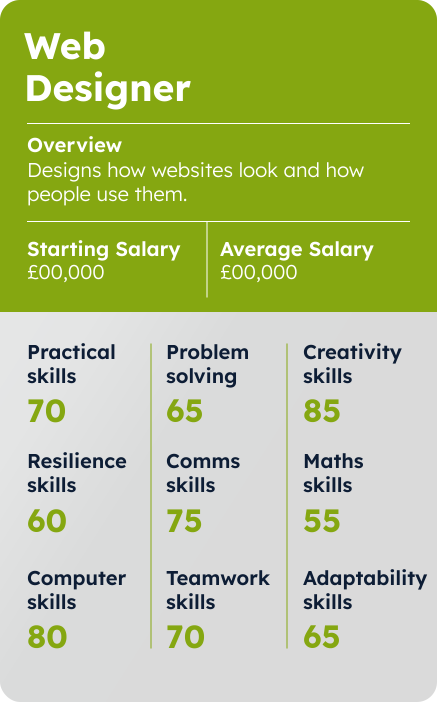
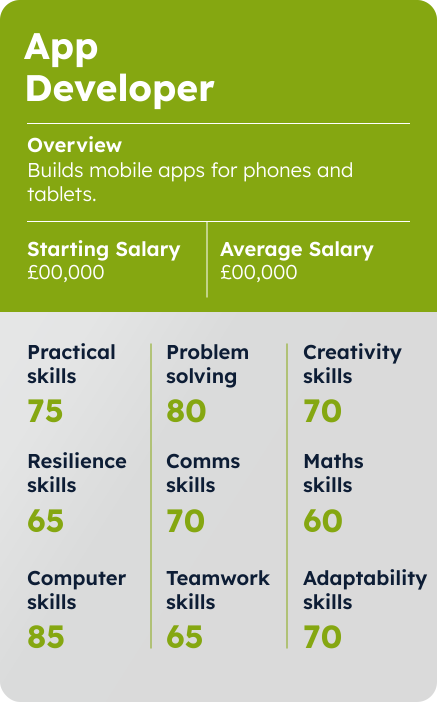
Digital creativity opens the door to a wide range of exciting careers that combine technology with imagination. These roles are in high demand across industries.
Simply drag and drop the career you’re interested into the spaces below to compare each option.






Check Your Knowledge
So now you’re well on the way to understanding about Digital Creativity, answer the multi-choice questions below to see how much you really know.
Good luck!
Well done. You have successfully achieved the pass mark for this course. All the correct answers are now shown.
You haven’t achieved the pass mark on this occasion. Have another go.
You haven’t quite reached the pass mark for this course, but all of the correct answers are now shown. Please study these before moving on, or feel free to go back and look again at any of the pages of this course.
