

minutes average completion time
Digital Innovation & Emerging Technology
In this micro course, we will introduce you to a career in digital innovation and emerging technology and what a career within the industry entails. We will also look at just a few of the exciting opportunities and careers that exist within this sector.
Industry case study: Digital innovation in action
How Pizza Hut Transformed with Digital Innovation
Pizza Hut, one of the world’s largest pizza chains with over 16,000 restaurants in more than 100 countries, faced a major challenge as more customers began ordering online.
Their old systems were slow and couldn’t keep up with growing demand. Customers wanted faster service, smarter apps, and more ways to order – through websites, mobile apps, chatbots, and even voice assistants. To meet these needs, Pizza Hut embraced digital transformation, using technology to improve speed, flexibility, and the overall customer experience.
Why This Matters for You
Pizza Hut shows that digital transformation combines creativity, coding, and problem-solving to deliver faster, smarter, and more engaging customer experiences.
Careers in cloud computing, app development, UX/UI design, data analysis, and logistics have all played a part in keeping a global business competitive and innovative.
Click on the segments below to discover how Pizza Hut embraced digital technology.
Did you know?
Pizza Hut serves over 1.3 billion pizzas worldwide every year, which is more than 36 million pizzas every week!
Cloud Computing & Scalable Systems
Pizza Hut moved to Google Cloud along with tools like Kubernetes and microservices to make sure online orders are processed quickly and their systems can grow as more people order.
Careers involved:
- Cloud Engineer – Looks after the cloud systems.
- Software Developer – Builds apps and connects systems.
Skills required:
Using cloud platforms, coding, connecting software systems.
App, Website & Chatbot Ordering
Customers can now order pizzas using apps, websites, chatbots, and voice assistants. The interfaces are designed to be fast, simple, and easy to use.
Careers involved:
- UX/UI Designer – Makes apps and websites easy and enjoyable to use.
- Mobile App Developer – Builds app features.
- Front-End Developer – Creates website interfaces.
Skills required:
Designing good experiences, building apps, coding for websites, linking apps to other systems.
Personalised Customer Experience
Digital tools now improve the customer journey by suggesting pizzas based on previous orders, send tailored offers, and match local tastes.
Careers involved:
- Data Analyst – Studies customer behaviour and trends.
- Marketing Specialist – Creates personalised campaigns.
Skills required:
Understanding customer data, using customer management systems, spotting trends.
Delivery & Logistics Optimisation
GPS tracking, smart route planning, and predictive tools help deliver pizzas quickly, even when it’s busy.
Careers involved:
- Logistics Analyst – Finds the best delivery routes.
- Software Developer – Builds tracking tools.
Skills required:
Using GPS and tracking, analysing data, planning routes efficiently.
Continuous Improvement & Updates
Pizza Hut keeps improving apps and systems, adding new ordering options, and using data to make the service better.
Careers involved:
- Product Manager – Plans updates and new features.
- QA Tester – Tests systems to make sure they work properly.
Skills required:
Updating systems step by step, testing, making decisions using data.
What is Digital Transformation?
The 4th Industrial Revolution (also known as Industry 4.0) is the current wave of change in how we live and work, driven by digital technologies.
It builds on the previous revolutions:
- First – Steam power and mechanisation (late 1700s)
- Second – Electricity and mass production (late 1800s)
- Third – Computers and automation (late 1900s)
- Fourth – Smart, connected, and automated systems (now!)
Digital Transformation is the process of using technology to change how we live, work, and interact. It’s not just about computers or apps – it’s about rethinking processes to make them faster, smarter, and more connected.
At Home
Smart devices are making everyday life easier and more efficient. Voice assistants, smart fridges, and home security systems can communicate, adapt to routines, and be controlled remotely.
For example:
- Smart thermostats adjust temperatures automatically to save energy.
- Voice assistants manage shopping lists, control lights, or play music.
- Home networks connect multiple devices for seamless control.
These technologies save time and give people more control over their environment.

In Business & Industry
Digital transformation helps organisations work efficiently, make smarter decisions, and adapt quickly.
For example:
- Factories using automation and robots to speed production.
- Retailers using AI and big data to personalise shopping.
- Hospitals using digital records and AI for faster diagnoses.
- Farms using drones and IoT sensors to monitor crops.
These changes are powered by cloud computing, AI, IoT, big data, and automation — technologies that make homes, businesses, and industries faster, smarter, and more efficient. In the following sections, we’ll explore how each works, and the careers and skills they offer for the future.

Smart devices are making everyday life easier and more efficient. Voice assistants smart fridges and home security systems can communicate adapt to routines and be controlled remotely.
Did you know?
Digital Transformation Can Boost Revenue by Over 20%. According to a recent study, 80% of organisations that completed digital transformation reported increased profitability, with many seeing revenue growth of 20% or more. This is often due to faster decision-making, better customer experiences, and more efficient operations.
Cloud Computing
Cloud computing lets people and businesses use powerful computers, storage, and software over the internet instead of on their own devices. This means you can access files, apps, and games anywhere, on any device, and companies can run websites, apps, and services without needing huge servers on site.
Popular examples include Google Drive, Microsoft OneDrive, and streaming platforms like Netflix, which all rely on cloud computing.
Cloud computing is transforming how we work, learn, and play by making technology faster, more flexible, and more reliable. Businesses use it to store data, run apps, and even create virtual classrooms, smart factories, and online games.
Careers in Cloud Computing:
- Cloud Engineer – Builds and manages cloud systems
- DevOps Specialist – Maintains software and services in the cloud
- Cloud Security Analyst – Protects data and systems
- Solutions Architect – Designs cloud-based systems for companies
Skills you’ll need:
- Technical: Using cloud platforms (like AWS or Google Cloud), writing code (Python, Java), managing databases, and keeping cloud systems secure
- Soft: Solving problems, working well in teams, adapting to new tech, and thinking logically




Meet Liam
Cloud Engineer
What they do:
Liam designs and manages cloud systems that store and process data for companies. He ensures websites, apps, and online services run smoothly and can scale to handle lots of users.
What they like most about the job:
Liam enjoys solving technical challenges and seeing how his work keeps services running reliably for thousands of people. He also likes learning about new cloud technologies and tools.
How they got into their job:
Liam studied a Level 3 IT course at college, then went on to university to study Computing and Network Engineering. After graduating, he joined a tech company managing cloud infrastructure for online services.

After graduating, Liam joined a tech company managing cloud infrastructure for online services.
Did you know?
Cloud computing powers apps like Zoom and Spotify, letting millions of people connect and stream content instantly, without needing massive computers at home.
Artificial Intelligence (AI)
Artificial Intelligence (AI) is all about making computers and machines smart. They can learn, spot patterns, solve problems, and even understand language – helping us with everyday tasks.
You already use AI when you ask Siri or Alexa a question, see recommendations on Netflix or YouTube, or interact with chatbots online. AI is also used in self-driving cars, healthcare, and even video games.
There are different types of AI:
- Generative AI – makes new content like text, pictures, or music (e.g., ChatGPT, Microsoft Copilot).
- Discriminative AI – sorts or labels information, like detecting spam emails.
- Machine Learning & Deep Learning – learns from data to predict or decide outcomes.
AI is changing how we live and work, making tasks faster, smarter, and more efficient.
Careers in AI:
- AI Engineer – Designs and builds smart systems that can learn and make decisions.
- Data Scientist – Analyses data and creates models to solve problems or predict outcomes.
- Machine Learning Developer – Programs machines to learn from data and improve over time.
- Robotics Engineer – Designs and builds robots that can move, sense, and perform tasks.

Skills you’ll need:
- Technical: Writing code (Python), understanding data, building AI and machine learning models, using AI tools and frameworks
- Soft: Thinking critically, being creative, solving problems, and understanding ethical issues with AI

Meet Aisha
AI Engineer
What they do:
Aisha designs and builds artificial intelligence systems that can learn from data. She helps create chatbots, recommendation tools, and smart assistants.
What they like most about the job:
Aisha loves the mix of creativity, coding, and problem solving. She enjoys working on technology that feels like science fiction.
How they got into their job:
Aisha took a Level 3 Computing course at college, then studied Software Engineering at University and specialised in Artificial Intelligence. After graduating, she joined a tech start-up developing AI for healthcare.
Aisha studied Software Engineering at University and specialised in Artificial Intelligence. After graduating, she joined a tech start-up developing AI for healthcare.
Activity:
Spot the SMART tech
Look at the picture of the kitchen. Can you find and click on the 9 SMART technologies?

Did you know?
AI can spot diseases like breast cancer with up to 94% accuracy and even beat humans at recognising images!
Smart Fridge
Tracks expiry dates, suggests recipes, and lets you see inside via a connected app.
Smart Oven
Can be controlled remotely via smartphone, with features like preheating, recipe syncing, and voice commands.
Smart Dishwasher
Optimises water and energy use, and can be started or monitored from your phone.
Smart Coffee Maker
Lets you schedule brews, adjust strength, and control it with voice assistants.
Smart Microwave
Detects food type with sensors and adjusts cooking time automatically.
Smart Scales
Sync with apps to track portions, calories, and ensure recipe accuracy.
Smart Lighting
Motion-activated or app-controlled lights that adjust brightness and colour.
Smart Heating
Can be controlled via app, set on schedules, and adjusts automatically to save energy.
Smart Speaker
Plays music, answers questions, and controls other smart devices with voice commands.
The Internet of Things (IoT)
The Internet of Things (IoT) connects everyday objects – like devices, appliances, vehicles, and even clothing – so they can collect and share data, sense their environment, and respond intelligently.
IoT is making homes, workplaces, and cities smarter by automating tasks, improving efficiency, and helping people make better decisions. From smart thermostats and wearable fitness trackers to connected cars and automated factories, IoT is changing the way we live and work.
Careers in IoT:
- IoT Developer – Creates connected devices that can collect and share data.
- AI Engineer – Builds intelligent software and systems that can think, learn, or predict.
- Data Analyst – Looks at data to spot patterns, trends, and insights.
- Robotics Engineer – Designs and develops robots for industry, homes, or research.
Skills you’ll need:
- Technical: Writing code (Python, C++), working with electronics and sensors, connecting devices to networks.
- Soft: Solving problems, working well in teams, thinking creatively, and adapting to new technology.


Meet Jordon
SMART Product Developer
What they do:
Jordan designs and builds SMART home heating systems that let people control their heating and energy use from their phones. They work with software engineers and designers to make sure the product is easy to use, energy-efficient, and reliable.
What they like most about the job:
Jordan loves creating technology that helps people save money and live more sustainably. They enjoy testing new ideas and seeing their designs make homes smarter and greener.
How they got into their job:
Jordan completed a Level 3 Diploma in Engineering at college, followed by a Level 5 Higher National Diploma (HND) in Manufacturing Engineering. After a placement with a UK energy company, they joined a SMART tech company as a junior developer.
After a placement with a UK energy company Jordan joined a SMART tech company as a junior developer.
Did you know?
By 2030, it’s estimated there will be over 25 billion connected smart devices worldwide – that’s more than three devices for every person on Earth!
Did you know?
Smart street lighting systems can reduce energy use by up to 80%, helping cities cut costs and emissions.
Big Data and Analytics – Making Sense of the Digital World
Big Data is all about handling huge amounts of information—far too much for a person or regular computer to manage.
Analytics is the process of examining this data to find patterns, trends, and insights that can help people make smarter decisions. Companies use big data to predict what customers want, improve services, and solve problems faster. For example, streaming services like Netflix use data to recommend shows, while retailers use it to stock products people are likely to buy.
Careers in Big Data and Analytics:
- Data Analyst – Examines data to spot trends
- Data Scientist – Builds models to predict outcomes
- Business Intelligence (BI) Developer – Creates dashboards and reports
- Data Engineer – Organises and prepares data for analysis
Skills you’ll need:
- Technical: Writing code (Python, SQL), analysing data, creating charts and graphs, understanding basic statistics and patterns
- Soft: Thinking critically, solving problems, paying attention to detail, and working well in teams


Meet Dylan
Data Analyst
What they do:
Dylan collects, organises, and studies data to help businesses make decisions. He works with spreadsheets, databases, and visual dashboards to spot patterns and trends.
What they like most about the job:
Dylan enjoys finding stories hidden in the numbers and helping companies improve how they work.
How they got into their job:
Dylan completed a Level 3 Diploma in Business and then a Level 4 Data Analyst apprenticeship with a retail company. He now works full-time analysing customer data.
Dylan completed a Level 3 Diploma in Business and then a Level 4 Data Analyst apprenticeship with a retail company.
Did you know?
Companies generate over 2.5 quintillion bytes of data every day, and analytics helps turn it into insights we can actually use!
Did you know?
Only a Small Percentage of Data Is Used. It’s estimated that less than 5% of all data collected is ever analysed or used. This means there’s huge potential for innovation in how we manage and understand data.
Automation
Automation is the use of technology to perform tasks without human intervention. It helps make work faster, more efficient, and safer by letting machines handle repetitive or complex processes.
Automation is everywhere – from factories and warehouses to offices, hospitals, and even homes. For example, assembly-line robots build cars, software bots handle online orders, and smart systems manage traffic lights or supply chains.
Automation is transforming industries by reducing manual work, improving accuracy, and freeing people to focus on creative or problem-solving tasks. It combines coding, engineering, and technology to design systems that can work independently and reliably.
Careers in Automation:
- Robotics Engineer – Designs and builds robots
- Automation Technician – Maintains automated systems
- Mechatronics Engineer – Combines mechanics, electronics, and coding
- Control Systems Developer – Programs machines to operate efficiently
Skills you’ll need:
- Technical: Writing code (Python, C++), working with machines and electronics, using AI to control systems
- Soft: Solving problems, being creative, working in teams, adapting to new challenges, thinking logically

Meet Evan
Robotics Engineer
What they do:
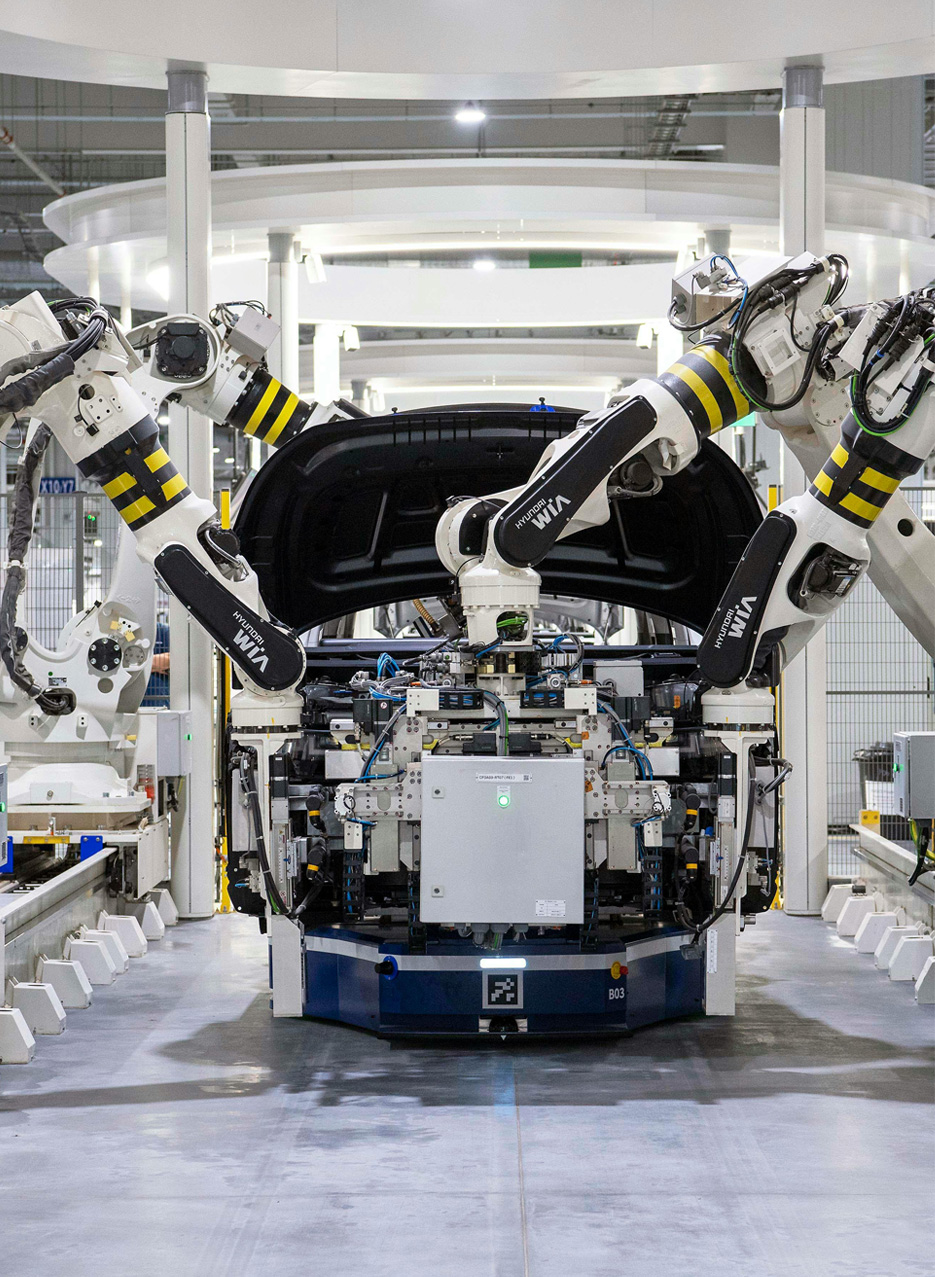
Evan builds and maintains robots that perform a range of tasks in manufacturing, assembly, quality control and testing. He combines mechanical engineering with coding and electronics.
What they like most about the job:
Evan enjoys building things that move and think. He loves the challenge of solving real-world problems with technology.
How they got into their job:
Evan studied Maths, Physics, and Design & Technology at A level, then completed a Level 4 HNC in Robotics and Mechatronics at College. Alongside the HND he built up industry experience on a 1-year industry internship. He then did a Degree Top-up at University before he started working full time at a local engineering company.
Evan did a Degree Top-up at University before he started working full time at a local engineering company.
Did you know?
By 2026, over 65% of the world’s economy will come from businesses using digital technology. This means that digital skills – like coding, data analysis, and working with smart systems – will be important for almost every career, not just jobs in tech!
Quantum Computing – The Next Frontier in Technology
Quantum computing is a new type of computing that uses the principles of quantum physics to solve problems much faster than regular computers.
Unlike traditional computers, which use bits (0 or 1), quantum computers use qubits, which can be both 0 and 1 at the same time. This lets them handle huge amounts of data and solve complex problems that are impossible for normal computers.
Quantum computing is being explored in areas like medicine, cybersecurity, climate science, and finance—helping to discover new drugs, break down huge datasets, modelling complex systems like weather and ocean currents and improve encryption. While it’s still an emerging technology, it’s opening doors to entirely new ways of solving problems.
Careers in Quantum computing:
- Quantum Software Developer – Writes programs for quantum computers
- Quantum Hardware Engineer – Designs and builds quantum processors
- Research Scientist – Develops new quantum algorithms and applications
- Data Scientist – Uses quantum computing for advanced analytics
Skills you’ll need:
- Technical: Writing code (Python, Q#), understanding maths and physics, analysing data
- Soft: Solving problems, being creative, thinking critically, staying curious

Did you know?
Quantum computers are incredibly fast! Google’s Sycamore solved in minutes what would take a supercomputer 10,000 years, proving that the future of computing is mind-blowingly powerful.
In conclusion
You’ve just completed four exciting micro-credentials that show how digital technology shapes the world around us – and your future!
- Digital Foundations gave you the basics: what “digital” really means, how devices work, and why digital skills matter for school, work, and life.
- Digital Technology showed how tech powers industries like shopping, banking, healthcare, and entertainment – and how data drives everything.
- Digital Creativity explored the fun side of tech, from designing apps and games to creating graphics, videos, and even virtual worlds.
- Digital Innovation & Emerging Technology looked ahead to the future with AI, smart devices, automation, and even quantum computing – things that sound like science fiction but are real and growing fast!
The big takeaway?
Digital skills aren’t just for “tech jobs” – they’re for every job. Whether you want to be a designer, engineer, gamer, marketer, or something completely new, understanding technology will give you a head start.
The digital world is changing every day, and the careers you’ll have in the future might not even exist yet. By learning these skills now, you’re preparing to be part of that future – and maybe even invent it!

Did you know?
Most of these jobs didn’t exist 20 years ago! I wonder what jobs will be needed in 20 years’ time that we haven’t even thought of yet.
Check Your Knowledge
So now you’re well on the way to understanding about Digital Technology, answer the multi-choice questions below to see how much you really know.
Good luck!
Well done. You have successfully achieved the pass mark for this course. All the correct answers are now shown.
You haven’t achieved the pass mark on this occasion. Have another go.
You haven’t quite reached the pass mark for this course, but all of the correct answers are now shown. Please study these before moving on, or feel free to go back and look again at any of the pages of this course.
Congratulations
You have successfully completed this course.
Exit Course